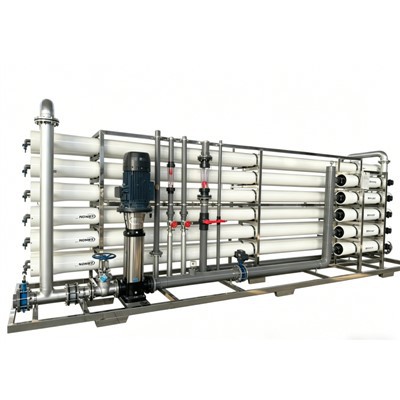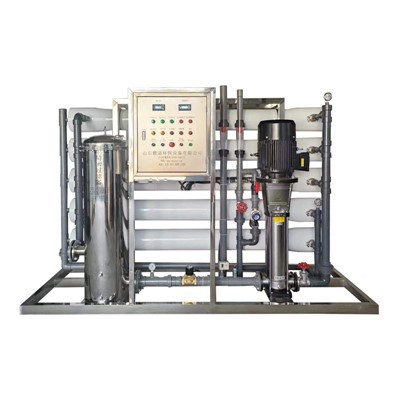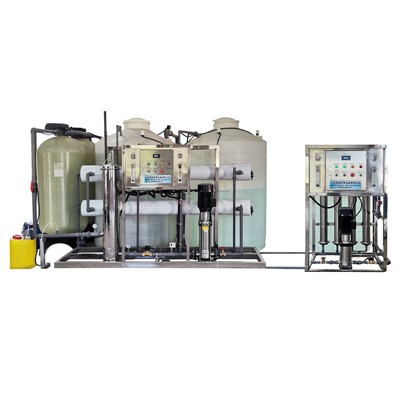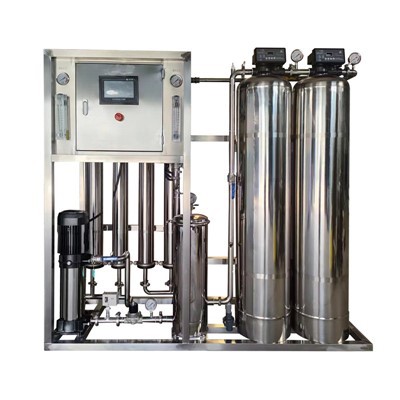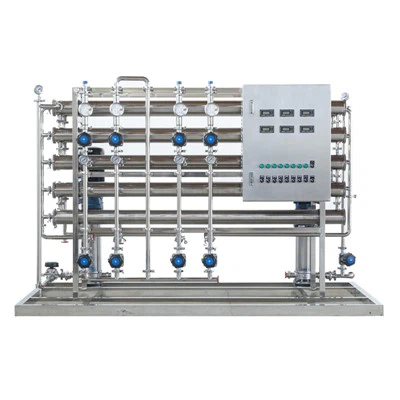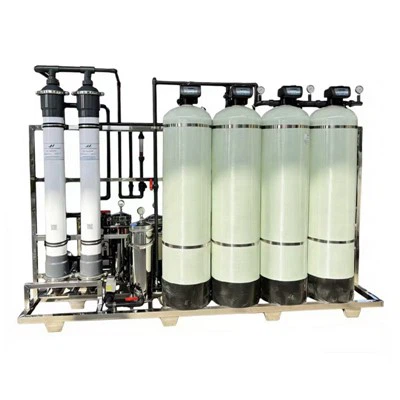
When selecting equipment, start with your actual needs and avoid blindly pursuing high-end configurations. The following are key considerations based on industry standards:
⑴ Water Quality Requirements: Clearly define the purity required for your application scenario (e.g., ultrapure water for the electronics industry). Check the equipment's output water specifications to ensure compliance with national standard GB/T 11446.1 or similar standards.
⑵ System Parameters: Flow rate requirements determine equipment size; the inlet diameter (e.g., 30mm) should match the piping system. Power compatibility (e.g., 220V/380V) affects installation convenience.
⑶ Materials and Structure: Stainless steel is superior to plastic, offering pressure and corrosion resistance; integrated structures simplify maintenance, and fully automated control reduces manual intervention and improves operating efficiency.
⑷ Customization and Compatibility: Customized equipment can adapt to specific site conditions or water quality variations. Verify the supplier's qualifications and case studies to ensure adequate technical support.
Furthermore, operational stability testing is crucial: assess energy consumption and maintenance frequency through simulated operating conditions. Avoid selecting equipment with a narrow temperature range or easily damaged materials to prevent increased downtime risks.