Water Quality Type
- Clear Water Treatment: Focus on filtration precision (e.g., 5-50 microns) and sterilization method (UV/ozone)
- Wastewater Treatment: Emphasize COD/BOD removal rate (typically requiring 80%-95%) and sludge treatment capacity
- Special Water Quality (e.g., aquaculture water): Requires oxygenation devices (dissolved oxygen ≥ 5 mg/L) and ammonia nitrogen removal function.
Processing Capacity
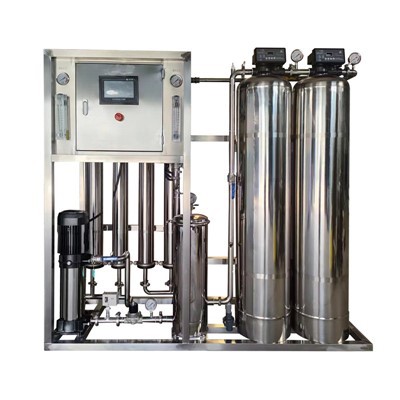
- Small equipment (<10 tons/day): Suitable for homes or laboratories; energy consumption is a primary concern (typically 0.5-1.5kW).
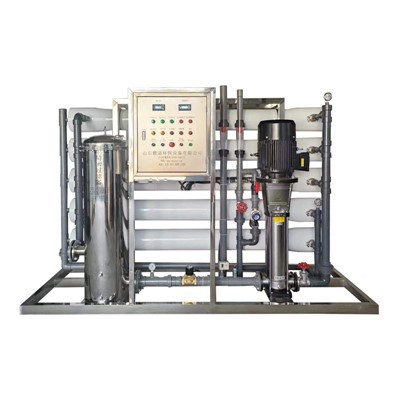
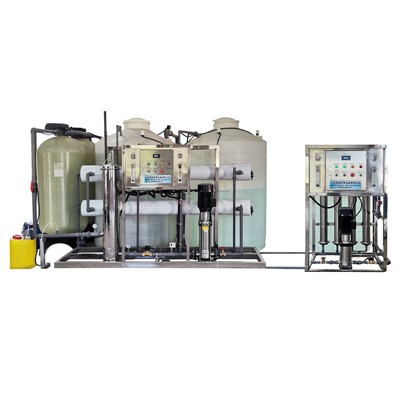
- Medium equipment (10-100 tons/day): Commonly used in restaurants/hotels; modular design is recommended.
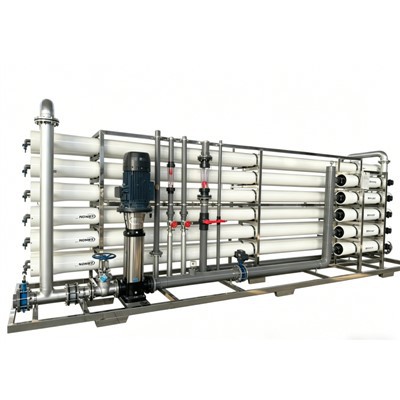
- Large systems (>100 tons/day): Require customized solutions; pump power (e.g., 7.5-30kW) is a key consideration.
Key Parameters
- Operating Pressure: Atmospheric pressure type (0.1-0.3MPa) or high pressure type (0.6-1.2MPa)
- Recovery Rate: Typically 60%-75% for reverse osmosis systems
- Corrosion Resistance: 316L stainless steel suitable for environments with pH 2-11
Extended Functionality
- Intelligent Control: PLC-enabled (programmable ≥500 parameters) is recommended.
- Disinfection Options: UV intensity ≥30mJ/cm² or ozone concentration 0.1-0.3ppm.
- Emergency Handling: Backup power supply required (e.g., UPS with ≥2 hours of battery life).
Industry Certifications
- Drinking water equipment must be NSF/CE certified.
- Medical wastewater treatment must comply with GB18466-2005 standard.
- Industrial circulating water should meet GB50050-2017 requirements.