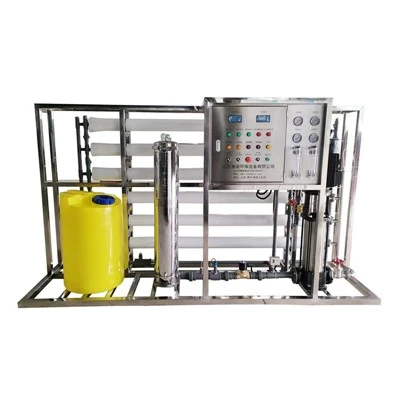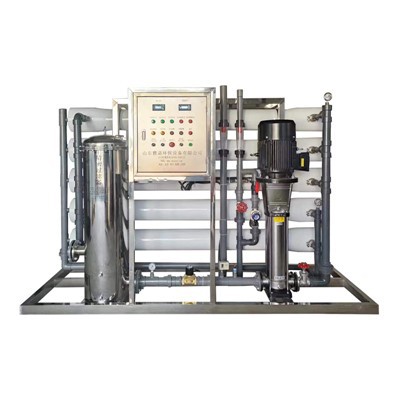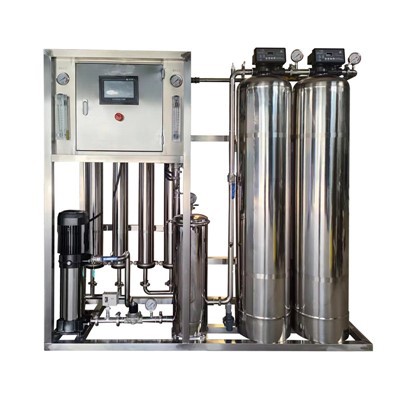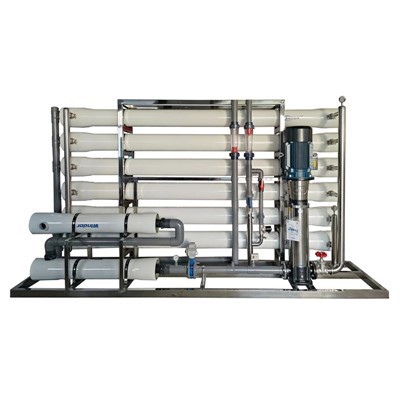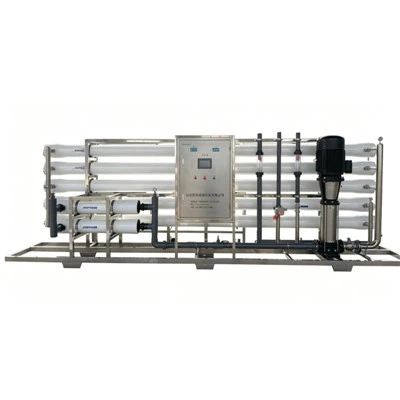


The MBR (Membrane Bioreactor) wastewater treatment system combines biological treatment with submerged membrane filtration to remove organic pollutants, suspended solids, and other contaminants from wastewater. It integrates an activated sludge process with microfiltration or ultrafiltration membranes, replacing the conventional secondary clarification stage with membrane-based solid-liquid separation.
The membrane modules retain suspended biomass inside the biological treatment tank while filtered water passes through the membrane surface. This arrangement allows higher mixed liquor suspended solids (MLSS) concentrations and a more compact treatment layout than conventional activated sludge systems.
The system is available for municipal sewage, commercial wastewater, and compatible industrial wastewater applications. Treatment capacity, membrane area, tank volume, and biological process configuration are selected according to influent characteristics and required effluent quality.
Key Features
Membrane-Based Separation: Submerged PVDF membranes retain suspended solids and activated sludge, producing low-TSS permeate.
High Biomass Concentration: MLSS operation within 8,000–12,000 mg/L supports compact biological treatment design.
Continuous Air Scouring: Coarse-bubble aeration beneath membrane modules removes accumulated solids from membrane surfaces.
Automated Filtration Control: PLC control manages suction filtration, relaxation, backwashing, and chemical cleaning sequences.
Modular Installation: Skid-mounted, containerized, and concrete-basin configurations accommodate different site layouts and project capacities.
Technical Specifications
|
Parameter |
Specification |
|
Treatment Capacity |
50–500 m³/day |
|
Membrane Material |
PVDF |
|
Membrane Structure |
Reinforced Hollow Fiber |
|
Nominal Pore Size |
0.04 μm |
|
Operating MLSS |
8,000–12,000 mg/L |
|
Design Net Flux |
15–20 LMH |
|
Operating TMP |
-10 to -30 kPa |
|
Biological Tank DO |
2–4 mg/L |
|
Operating Temperature |
10–35°C |
|
Membrane Cleaning |
Air Scouring / Backwashing / Chemical Cleaning |
|
Tank Material |
Carbon Steel / SS304 / SS316L |
|
Control System |
PLC with Touchscreen HMI |
|
Installation Type |
Skid-Mounted / Containerized / Concrete Basin |
Applications
Municipal Sewage Treatment: Treating domestic wastewater for discharge or non-potable reuse in municipal facilities and decentralized treatment plants.
Food Processing Wastewater: Treating screened and equalized wastewater containing biodegradable organic matter from food production and washing operations.
Textile Wastewater: Processing pretreated wastewater, with additional treatment for color, salinity, and refractory organic compounds where necessary.
Slaughterhouse Wastewater: Treating wastewater after appropriate screening, grease removal, and solids separation.
Industrial Water Reclamation: Providing biological treatment and suspended-solids removal before downstream filtration or reverse osmosis systems.
Working Principle
The MBR system operates through four main treatment stages:
Screening and Equalization: Incoming wastewater passes through mechanical screening to remove hair, fibers, and coarse debris. An equalization tank balances flow and pollutant concentrations before biological treatment.
Biological Treatment: Aeration supplies oxygen to microorganisms that degrade biodegradable organic matter. Where nitrogen removal is required, an anoxic zone and mixed liquor recirculation can be incorporated for denitrification.
Membrane Filtration: A permeate suction pump creates negative pressure inside the membrane fibers. Filtered water passes through the membrane walls, while suspended solids and biomass remain in the treatment tank.
Cleaning and Disinfection: Air scouring, relaxation, and backwashing control membrane fouling. Chemical maintenance cleaning uses compatible agents such as sodium hypochlorite or citric acid in separate procedures. UV treatment or chlorination can be added when disinfection is required.
Customization Options
The system supports customization according to project requirements:
Structural Configuration: Skid-mounted steel tanks, concrete basin installations, and containerized treatment units.
Membrane Selection: Reinforced hollow fiber or flat sheet membrane modules.
Process Configuration: Anoxic and aerobic zones, internal recirculation, and additional nutrient removal stages.
Mechanical Equipment: Duty/standby permeate pumps, blowers, and chemical dosing units.
Control System: PLC automation, touchscreen HMI, and monitoring of flow, dissolved oxygen, and transmembrane pressure.
FAQ
Q: What wastewater can an MBR system treat?
A: It treats domestic sewage and compatible industrial wastewater containing biodegradable organic matter. Industrial streams may require pretreatment to remove oil, suspended solids, toxic compounds, or excessive salinity.
Q: How is membrane fouling controlled?
A: Air scouring, filtration relaxation, backwashing, and periodic chemical cleaning are used to control membrane fouling. Cleaning procedures are selected according to membrane condition and manufacturer recommendations.
Q: Does an MBR system remove nitrogen and phosphorus?
A: Nitrogen removal can be incorporated through anoxic and aerobic treatment stages. Biological phosphorus removal or chemical phosphorus precipitation can also be added according to discharge requirements.
Q: Does the system require disinfection?
A: Membrane filtration removes suspended solids and retains many microorganisms. Additional UV or chlorine disinfection can be installed when required by the applicable reuse or discharge standard.
Request a Quote
For an MBR wastewater treatment proposal, please provide the following project information:
- Average and peak wastewater flow rate (m³/day)
- Influent COD, BOD₅, TSS, NH₃-N, pH, and temperature
- Wastewater source and existing pretreatment process
- Required effluent discharge or reuse standards
- Available installation space and preferred equipment arrangement
These details support preliminary process selection, membrane sizing, tank volume calculation, and equipment configuration.
Hot Tags: mbr wastewater treatment system, China mbr wastewater treatment system manufacturers, suppliers, factory