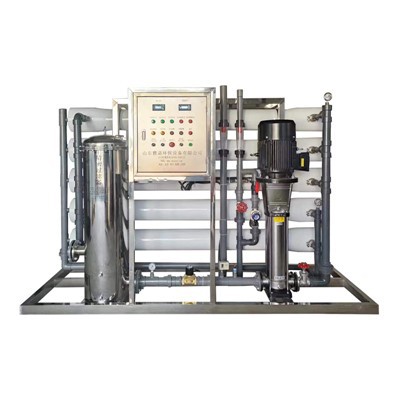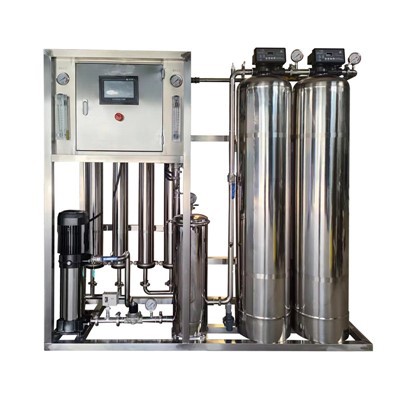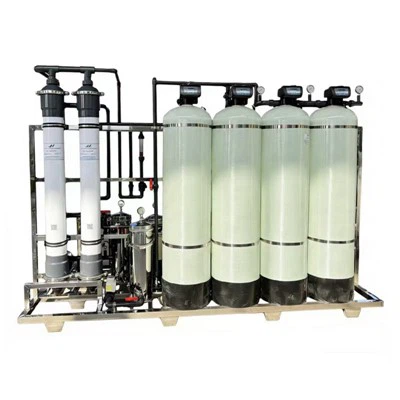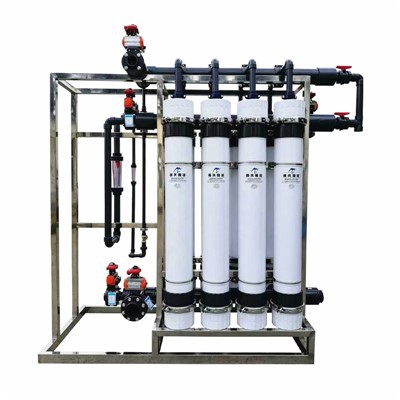


An industrial wastewater treatment plant is an integrated system designed to treat wastewater generated by manufacturing and industrial processes before discharge or reuse. It combines physical separation, chemical treatment, biological processing, and advanced filtration according to influent characteristics and required effluent quality.
The system can be supplied as a modular skid-mounted installation or a site-built treatment facility. Typical treatment equipment includes screening units, equalization tanks, chemical dosing systems, dissolved air flotation (DAF), biological reactors, clarification tanks, membrane filtration units, and sludge dewatering equipment.
Key Features
Modular Treatment Layout: Separate treatment units can be arranged on steel skids or concrete foundations. Modular layouts support equipment transportation, installation planning, and phased project expansion.
Automated Process Control: PLC and HMI systems manage pumps, blowers, dosing equipment, and treatment sequences. Online instruments can monitor flow rate, pH, dissolved oxygen, and oxidation-reduction potential.
Multiple Treatment Processes: Available processes include coagulation, flocculation, DAF, sedimentation, MBBR, MBR, UF, and RO. Each process serves a specific treatment function.
Material Selection: Wetted components can use SS304, SS316L, HDPE, FRP, or coated carbon steel. Material selection considers wastewater pH, temperature, chloride concentration, and chemical composition.
Sludge Management: Screw presses, filter presses, or belt filter presses separate water from treatment sludge for subsequent collection and disposal.
Technical Specifications
|
Parameter |
Engineering Reference |
|
Design Treatment Capacity |
10–500 m³/day |
|
Influent COD |
500–5,000 mg/L |
|
Influent BOD₅ |
200–2,000 mg/L |
|
Influent TSS |
100–1,000 mg/L |
|
Influent pH |
5.0–10.0 |
|
Effluent COD Target |
≤100 mg/L |
|
Effluent BOD₅ Target |
≤30 mg/L |
|
Effluent TSS Target |
≤30 mg/L |
|
Operating Temperature |
5–40°C |
|
Main Wetted Materials |
SS304, SS316L, HDPE, FRP |
|
Electrical Supply |
380V, 3-phase, 50Hz |
|
Control System |
PLC with HMI touchscreen |
|
Sludge Dewatering |
Screw press or filter press |
|
Installation Type |
Skid-mounted or concrete foundation |
Applications
Electroplating and Metal Finishing: Chemical precipitation, pH adjustment, coagulation, and clarification are used to separate dissolved heavy metals such as nickel, copper, zinc, and chromium from wastewater.
Chemical Manufacturing: Oil separation, chemical treatment, biological processing, and advanced oxidation address different organic and inorganic pollutants according to wastewater composition.
Food and Beverage Processing: Screening, dissolved air flotation, and biological treatment handle suspended solids, fats, oils, grease, and biodegradable organic matter.
Textile and Dyeing Facilities: Coagulation, flocculation, biological treatment, and membrane processes address color, organic pollutants, suspended solids, and dissolved salts.
Automotive Manufacturing: Physical separation and chemical treatment can process wastewater containing machining fluids, suspended particles, and metal residues.
Working Principle
Pre-treatment and Equalization: Bar screens remove coarse debris, while equalization tanks balance variations in wastewater flow, pH, and pollutant concentration.
Physical and Chemical Treatment: Coagulants and flocculants promote particle aggregation. DAF units or sedimentation tanks separate oil, suspended solids, and chemical sludge.
Biological Treatment: MBBR reactors use attached-growth microorganisms to degrade biodegradable organic matter. MBR systems combine biological treatment with membrane solid-liquid separation.
Advanced Treatment: UF removes fine suspended particles and colloids. RO separates dissolved salts for water reuse when required. UV disinfection can be added for microbial control.
Sludge Handling: Collected sludge is thickened and dewatered using mechanical equipment before transportation or further disposal.
Customization Options
Process Selection: Treatment combinations can include DAF, MBBR, MBR, UF, RO, and advanced oxidation according to wastewater analysis.
Structural Layout: Equipment arrangements include indoor installations, outdoor skids, vertical tanks, and concrete treatment basins.
Electrical and Automation: PLC control, online monitoring, variable-frequency drives, and standby pump arrangements can be incorporated.
Water Reuse and ZLD: RO concentration, evaporation, and crystallization units can be integrated into projects requiring higher water recovery or zero liquid discharge.
FAQ
Q: How is the treatment process selected?
A: Process selection begins with wastewater laboratory analysis, including COD, BOD₅, TSS, pH, oil and grease, salinity, and heavy metal concentrations. The treatment design also considers flow variations and discharge requirements.
Q: Can the plant handle different industrial wastewater types?
A: Yes. Treatment processes are selected according to wastewater composition. Separate treatment lines may be necessary when different wastewater streams contain incompatible chemicals or pollutants.
Q: What maintenance is required?
A: Routine maintenance includes pump and blower inspections, sensor calibration, sludge removal, dosing equipment checks, and membrane cleaning where membrane systems are installed.
Q: What engineering documents are available?
A: Project documentation can include process flow diagrams, P&ID drawings, general arrangement drawings, equipment datasheets, electrical schematics, and operation and maintenance manuals.
Request a Quote
For a preliminary engineering proposal, provide:
- Average daily flow and peak hourly flow.
- Wastewater source and laboratory analysis report.
- COD, BOD₅, TSS, pH, oil and grease, and heavy metal concentrations.
- Required discharge limits or water reuse targets.
- Operating hours and wastewater temperature.
- Available installation area and electrical supply.
- Sludge disposal requirements.
These details help determine the treatment process, equipment capacity, plant layout, and project scope.
Hot Tags: industrial wastewater treatment plant, China industrial wastewater treatment plant manufacturers, suppliers, factory