
Industrial Wastewater Treatment Systems for Industrial Manufacturing
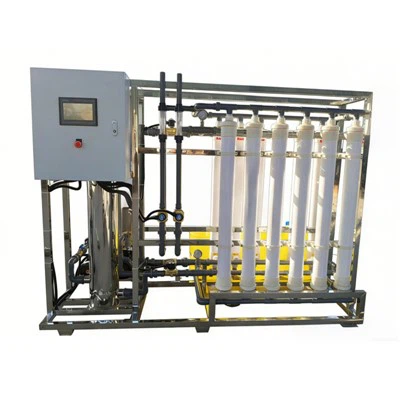
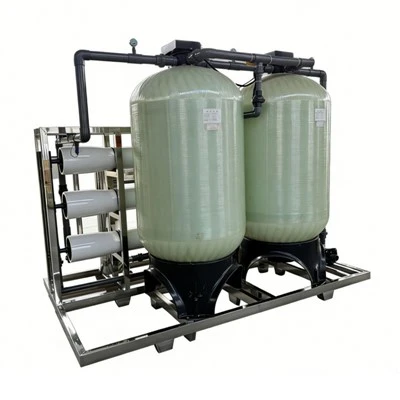
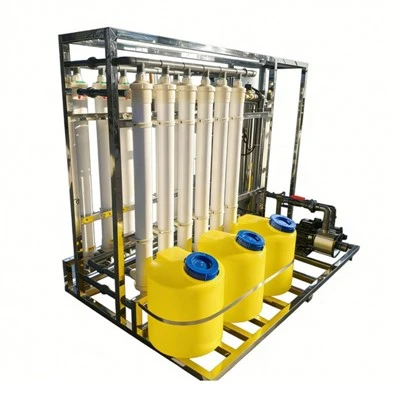
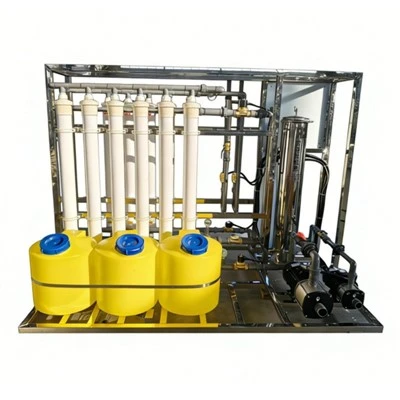
Industrial wastewater treatment systems remove suspended solids, oils, heavy metals, dissolved contaminants, and organic pollutants from factory wastewater before discharge or reuse. These systems combine physical separation, chemical treatment, biological processes, and membrane filtration to meet specific industrial effluent requirements.
Manufacturing wastewater varies significantly in flow rate, pH, chemical composition, COD, BOD, and suspended solids. Electroplating plants generate metal-bearing wastewater, textile factories discharge dye-containing effluent, and food processing facilities produce wastewater with high organic loads and fats. Treatment systems therefore require process selection based on wastewater analysis rather than a standard equipment arrangement.
Modular and skid-mounted systems integrate treatment tanks, dosing pumps, filtration units, separation equipment, and automated controls. They are used in new industrial facilities, wastewater treatment plant upgrades, and water recycling projects.
-
![Industrial Wastewater Recycling System]() Industrial Wastewater Recycling SystemThe Industrial Wastewater Recycling System treats industrial effluent and converts it into reclaimed water for reuse in manufacturing processes, equipment washing, cooling tower makeup, and other non-potable applications. The system...view more
-
![Oil-Water Separation System]() Oil-Water Separation SystemThe Industrial Oil-Water Separation System removes free oil and dispersed oil droplets from industrial wastewater before discharge or downstream treatment. It combines gravity separation with oleophilic coalescing media to collect...view more
-
![Dissolved Air Flotation System]() Dissolved Air Flotation SystemA Dissolved Air Flotation (DAF) system separates suspended solids, oil droplets, grease, and other floatable contaminants from industrial and municipal wastewater. It uses pressurized recycled water saturated with air to generate fine...view more
-
![MBR Wastewater Treatment System]() MBR Wastewater Treatment SystemThe MBR (Membrane Bioreactor) wastewater treatment system combines biological treatment with submerged membrane filtration to remove organic pollutants, suspended solids, and other contaminants from wastewater. It integrates an...view more
-
![Industrial Wastewater Treatment Plant]() Industrial Wastewater Treatment PlantAn industrial wastewater treatment plant is an integrated system designed to treat wastewater generated by manufacturing and industrial processes before discharge or reuse. It combines physical separation, chemical treatment, biological...view more
-
![Integrated Wastewater Treatment System]() Integrated Wastewater Treatment SystemThe Integrated Wastewater Treatment System is a modular wastewater treatment unit that combines screening, biological treatment, solid-liquid separation, and disinfection within a compact steel structure. It is designed for municipal...view more


Key Features
Modular Treatment Design
Integrated tanks, pumps, pipelines, filters, and control panels support installation in industrial facilities with limited space.
01
Chemical-Resistant Materials
Available construction materials include SS304, SS316L, PP, HDPE, FRP, and epoxy-coated carbon steel for different wastewater compositions.
02
Automatic Process Control
PLC-based systems monitor pH, flow, tank levels, and other process parameters to control chemical dosing and equipment operation.
03
Multiple Separation Technologies
DAF units, lamella clarifiers, media filters, and membrane systems handle different suspended and dissolved contaminants.
04
Sludge Handling Integration
Sludge collection, thickening, filter presses, and screw presses form part of the overall treatment and disposal process.
05
Product Types
|
Product Type |
Treatment Mechanism |
Main Target Contaminants |
|
Dissolved Air Flotation (DAF) Systems |
Microbubble flotation |
Oil, grease, fats, suspended solids |
|
Chemical Precipitation Systems |
Neutralization and chemical precipitation |
Nickel, copper, zinc, chromium, phosphates |
|
Ultrafiltration (UF) Systems |
Membrane separation |
Suspended solids, colloids, microorganisms |
|
Reverse Osmosis (RO) Systems |
Pressure-driven membrane separation |
Dissolved salts and selected dissolved contaminants |
|
Biological Treatment Systems |
Microbial degradation |
Biodegradable COD, BOD, ammonia nitrogen |
|
Sludge Dewatering Systems |
Mechanical solid-liquid separation |
Chemical and biological treatment sludge |
Working Principles
Industrial wastewater treatment typically follows several stages according to influent characteristics and discharge requirements.
Screening and Equalization
Bar screens and rotary drum screens remove coarse debris and suspended materials. Equalization tanks collect incoming wastewater and balance variations in flow rate and pollutant concentration. Mechanical mixers or aeration equipment maintain tank uniformity.
PH Adjustment and Chemical Treatment
Acid or alkali dosing adjusts wastewater pH. Coagulants such as polyaluminum chloride (PAC) destabilize suspended particles, while polymer flocculants promote floc formation. For hexavalent chromium wastewater, chemical reduction using agents such as sodium metabisulfite converts Cr(VI) into Cr(III) before precipitation.
Solid-Liquid Separation
DAF systems introduce fine air bubbles that attach to oil droplets and suspended particles, carrying them to the surface for removal. Lamella clarifiers separate heavier flocs through gravity settling.
Biological Treatment
MBBR, activated sludge, or other biological processes use microorganisms to degrade biodegradable organic pollutants. Secondary clarification or membrane separation removes biological solids from treated water.
Advanced Filtration and Disinfection
Multimedia filters, activated carbon filters, UF membranes, and RO membranes provide additional treatment according to discharge or reuse requirements. UV or chemical disinfection can be incorporated where microbiological control is required.
Sludge Dewatering
Collected sludge passes through thickening and mechanical dewatering equipment, including filter presses or screw presses. The separated water returns to an appropriate treatment stage, while dewatered sludge proceeds to disposal or further handling.
Technical Specifications
|
Technical Parameter |
Typical Engineering Range |
|
System Treatment Capacity |
5–200 m³/h |
|
Equalization Tank Retention Time |
4–8 hours |
|
Chemical Treatment pH Range |
2–12 |
|
DAF Operating Pressure |
0.4–0.6 MPa |
|
DAF Recycle Water Ratio |
15–50% |
|
DAF Surface Loading Rate |
5–15 m³/m²/h |
|
Multimedia Filtration Rate |
8–12 m/h |
|
UF Membrane Pore Size |
0.01–0.1 μm |
|
UF Operating Pressure |
0.05–0.20 MPa |
|
RO Operating Pressure |
1.0–2.5 MPa |
|
Biological Treatment Tank HRT |
4–24 hours |
|
pH Monitoring Range |
0–14 |
|
Power Supply |
380/400/415 V, 50 Hz; 460 V, 60 Hz |
|
Control System |
PLC with HMI touchscreen |
|
Tank Construction Materials |
SS304, SS316L, PP, HDPE, FRP |
|
Piping Materials |
UPVC, CPVC, HDPE, PP, stainless steel |
Final equipment sizing requires influent water analysis, hydraulic calculations, treatability testing, and the required effluent quality. RO pressure, biological retention time, and chemical dosing rates require process-specific engineering calculations.
Electroplating and Metal Finishing: Treatment of nickel, copper, zinc, and chromium-bearing wastewater from plating baths and rinsing operations. Chemical reduction and precipitation address hexavalent chromium and dissolved metal contaminants.
Chemical and Petrochemical Manufacturing: Oil-water separation, pH adjustment, chemical precipitation, and biological treatment handle emulsified oils, suspended solids, and biodegradable organic pollutants.
Textile and Dyeing Facilities: Coagulation, flocculation, biological treatment, and advanced oxidation can be combined to address dyes, surfactants, color, and organic loading.
Food and Beverage Processing: Screening, DAF, and biological treatment remove fats, oils, grease, suspended organic matter, and biodegradable pollutants from production wastewater.
Industrial Water Recycling: UF and RO systems provide additional treatment for process water reuse, cooling water applications, and other industrial water requirements.

Key Selection Factors
Before selecting an industrial wastewater treatment system, buyers should evaluate:
Influent Water Quality: Provide pH, COD, BOD, TSS, oil and grease, conductivity, temperature, and relevant heavy metal concentrations.
Treatment Capacity: Specify average daily wastewater volume, peak hourly flow, and batch or continuous discharge patterns.
Effluent Requirements: Identify local discharge limits or internal water reuse targets for each relevant pollutant.
Treatment Process: Evaluate chemical, biological, flotation, filtration, and membrane processes based on wastewater characteristics.
Material Compatibility: Select tank, pump, valve, gasket, and pipeline materials according to chemical concentration and operating temperature.
Sludge Management: Calculate sludge production, dewatering requirements, transportation, and disposal arrangements.
Installation Conditions: Provide available floor space, electrical supply, existing pipelines, and integration requirements.
Jar testing and pilot-scale treatment are useful for evaluating chemical consumption, floc formation, and treatment feasibility before full-scale equipment selection.
FAQ

Request a Quote & Engineering Resources
For an equipment proposal, provide wastewater analysis reports, average and peak flow rates, required effluent standards, treatment objectives, installation dimensions, and available utilities.
Technical documents for project evaluation can include process flow diagrams (PFD), piping and instrumentation diagrams (P&ID), equipment layout drawings, electrical schematics, and equipment data sheets.
Submit your wastewater characteristics and project requirements to request a treatment process proposal, equipment configuration, and quotation.
We're well-known as one of the leading industrial wastewater treatment system manufacturers and suppliers in China, featured by quality products and good price. Please rest assured to buy bulk industrial wastewater treatment system made in China here from our factory. Customized orders are welcome.