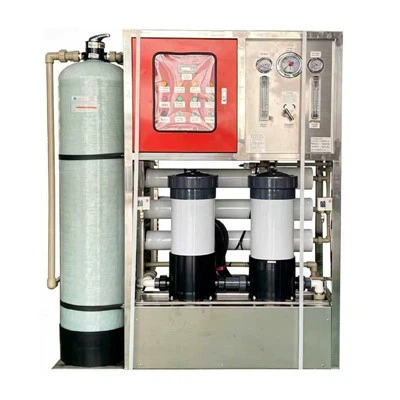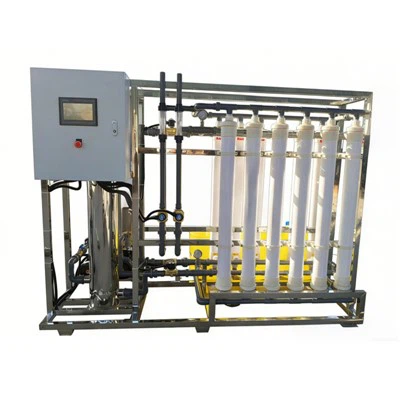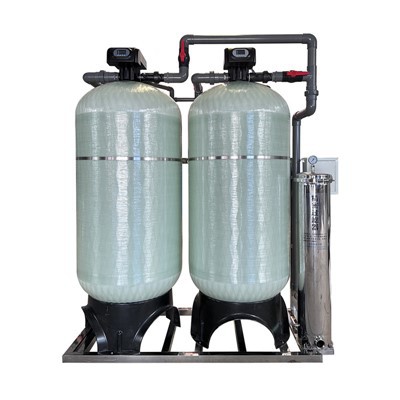


The Integrated Wastewater Treatment System is a modular wastewater treatment unit that combines screening, biological treatment, solid-liquid separation, and disinfection within a compact steel structure. It is designed for municipal sewage, commercial wastewater, and selected industrial effluents requiring on-site treatment before discharge or non-potable reuse.
Available treatment configurations include Moving Bed Biofilm Reactor (MBBR) and Membrane Bioreactor (MBR) processes. MBBR systems use suspended biofilm carriers followed by secondary clarification, while MBR systems combine biological treatment with membrane filtration. The process configuration is selected according to wastewater composition, treatment capacity, and required effluent quality.
Factory assembly integrates treatment tanks, piping, pumps, aeration equipment, and electrical controls. Skid-mounted and containerized arrangements are available for projects with limited installation space or decentralized treatment requirements.
Key Features
Integrated Modular Structure: Combines major treatment units within a prefabricated steel assembly, with factory-installed piping and electrical connections.
Multiple Biological Processes: MBBR and MBR configurations accommodate different wastewater characteristics and effluent requirements.
Corrosion Protection: Carbon steel tanks can use epoxy coating systems, while stainless steel construction is available for selected applications.
Automatic Process Control: PLC-based control manages pumps, blowers, dosing equipment, and operating alarms. DO sensors can support aeration control.
Flexible Installation: Skid-mounted and containerized designs accommodate industrial facilities, remote sites, and decentralized wastewater projects.
Technical Specifications
|
Parameter |
Reference Design Specification |
|
Treatment Capacity |
10–500 m³/day |
|
Biological Process |
MBBR / MBR |
|
Influent COD |
300–1,000 mg/L |
|
Influent BOD₅ |
150–500 mg/L |
|
Influent TSS |
150–400 mg/L |
|
Influent pH |
6.0–9.0 |
|
Target Effluent COD |
≤50 mg/L |
|
Target Effluent BOD₅ |
≤10 mg/L |
|
Target Effluent TSS |
≤10 mg/L |
|
Target Effluent pH |
6.0–9.0 |
|
Tank Material |
Q235B Carbon Steel |
|
Optional Material |
AISI 304 / 316L Stainless Steel |
|
Internal Coating |
Epoxy coating, nominal dry film thickness 250 μm |
|
External Coating |
Epoxy primer and polyurethane topcoat |
|
Internal Piping |
UPVC / HDPE / Stainless Steel 304 |
|
MBBR Carrier Material |
HDPE |
|
MBBR Carrier Filling Ratio |
40–60% of reactor working volume |
|
MBR Membrane Material |
PVDF Hollow-Fiber Membrane |
|
MBR Nominal Pore Size |
0.03–0.04 μm |
|
Electrical Supply |
380 V, 50 Hz, 3 Phase |
|
Control System |
PLC with HMI Touchscreen |
|
Installation Type |
Skid-Mounted / Containerized |
Treatment Process & Working Principle
The system follows different treatment arrangements according to the selected biological process.
MBBR Process:
Raw Wastewater → Mechanical Screening → Equalization Tank → Anoxic Tank → Aerobic MBBR Reactor → Secondary Clarifier → Disinfection → Treated Effluent.
Screening removes coarse solids, while the equalization tank balances variations in wastewater flow and pollutant concentration. In the anoxic zone, microorganisms convert nitrate into nitrogen gas under suitable conditions. The aerobic MBBR reactor uses HDPE carriers to support attached biofilm growth. A secondary clarifier separates biological solids before the treated water enters the disinfection stage.
MBR Process:
Raw Wastewater → Screening → Equalization → Biological Reactor → Membrane Separation → Disinfection (If Required) → Treated Effluent.
The biological reactor supports organic matter degradation and ammonia oxidation. Submerged PVDF membrane modules separate suspended biomass from treated water, replacing the conventional secondary clarification stage.
Applications
Municipal Sewage Treatment: Residential communities, hotels, resorts, highway service areas, and remote townships requiring decentralized wastewater treatment.
Food Processing: Dairy plants, breweries, slaughterhouses, and food production facilities generating biodegradable organic wastewater. Oil and grease removal may be required before biological treatment.
Industrial Manufacturing: Selected textile, machinery, and production facilities requiring wastewater pretreatment or biological treatment.
Mining and Remote Facilities: Domestic sewage treatment for mining camps, oilfield accommodation facilities, and remote industrial sites.
Wastewater containing toxic chemicals, high oil concentrations, or poorly biodegradable substances requires separate process evaluation and pretreatment.
Customization Options
Available configurations include 20 ft and 40 ft containerized enclosures, thermal insulation, ventilation, HVAC systems, automatic chemical dosing, UV disinfection, sludge storage, and screw press dewatering units. Remote monitoring can incorporate industrial communication gateways and SCADA connections.
MBBR and MBR process arrangements can be selected according to influent characteristics, discharge requirements, available space, and operating conditions.
Key Selection Factors
Before selecting a system, buyers should provide the average and peak wastewater flow rates, COD, BOD₅, TSS, ammonia nitrogen, total nitrogen, total phosphorus, pH, and wastewater temperature. Required discharge or reuse standards, installation space, available power supply, and sludge disposal arrangements are also important design inputs.
FAQ
Q: What information is needed for equipment selection?
A: Provide wastewater analysis, daily flow, peak hourly flow, required effluent standards, and installation conditions for process evaluation.
Q: What is the difference between MBBR and MBR?
A: MBBR uses biofilm carriers and secondary clarification. MBR combines biological treatment with membrane filtration for solid-liquid separation.
Q: Can the system be installed outdoors?
A: Yes. Outdoor installations can use weather-protected enclosures or insulated container structures according to local climate conditions.
Q: Does the system require regular maintenance?
A: Routine maintenance includes pump and blower inspection, sludge removal, aeration equipment checks, and membrane cleaning for MBR configurations.
Request a Quote
For an engineering proposal, please provide:
- Wastewater source and industry
- Average and peak flow rate (m³/day)
- Influent water analysis
- Required effluent discharge or reuse standards
- Available installation dimensions
- Local power supply and ambient temperature
- Preferred MBBR or MBR process, if already specified
These details help determine the treatment process, equipment dimensions, biological reactor capacity, and auxiliary equipment requirements.
Hot Tags: integrated wastewater treatment system, China integrated wastewater treatment system manufacturers, suppliers, factory