
Water Disinfection Equipment
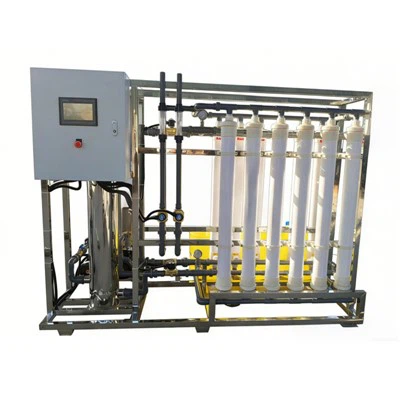
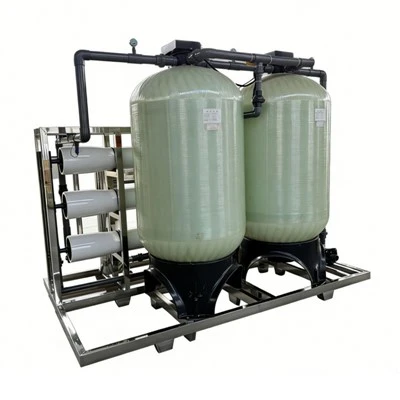
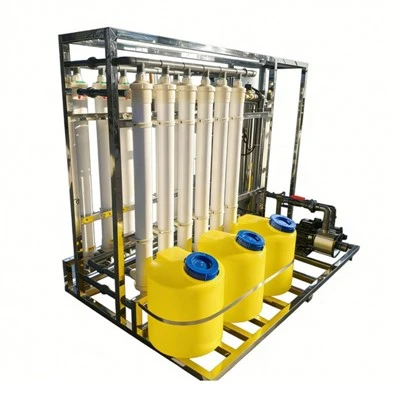
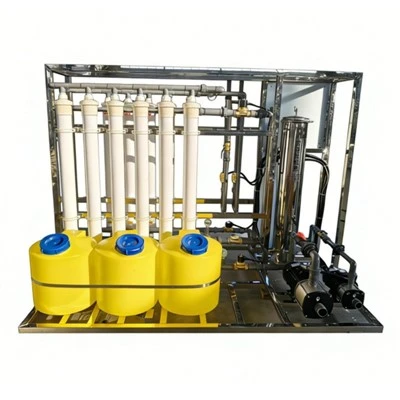
Water disinfection equipment uses ultraviolet (UV) radiation, ozone oxidation, or chemical disinfectants to inactivate pathogenic microorganisms in drinking water, wastewater, and industrial process water. These systems are installed in municipal treatment plants, industrial water treatment facilities, commercial swimming pools, and aquaculture operations.
The main equipment categories include closed-vessel UV reactors, open-channel UV systems, ozone generation systems, and chemical disinfection dosing systems. Each technology uses a different treatment mechanism and requires specific operating conditions.
UV systems expose microorganisms to germicidal radiation without adding chemical disinfectants to the water. Ozone systems use oxidation reactions to inactivate microorganisms and treat selected organic contaminants. Chemical dosing systems introduce disinfectants such as sodium hypochlorite or chlorine dioxide into water through controlled injection and mixing.
-
![Water Disinfection Skid System]() Water Disinfection Skid SystemThe Water Disinfection Skid System is a pre-assembled water treatment package designed for continuous disinfection in municipal water treatment plants, industrial facilities, and wastewater treatment projects. It integrates disinfection...view more
-
![Automatic Water Chlorination System]() Automatic Water Chlorination SystemThe Automatic Water Chlorination System is a skid-mounted chemical dosing unit designed for continuous disinfection in municipal water treatment plants, industrial water systems, and wastewater treatment facilities. It combines chemical...view more
-
![Ozone Generator For Water Treatment]() Ozone Generator For Water TreatmentThe Ozone Generator for Water Treatment produces ozone gas from oxygen or conditioned dry air using corona discharge technology. It is designed for municipal water treatment plants, industrial wastewater facilities, commercial water...view more
-
![Industrial UV Water Sterilizer]() Industrial UV Water SterilizerThe Industrial UV Water Sterilizer uses ultraviolet-C (UV-C) radiation to inactivate microorganisms in continuous water treatment processes. It consists of a stainless steel reactor chamber, low-pressure high-output (LPHO) UV lamps,...view more
-
![Ozone Water Disinfection System]() Ozone Water Disinfection SystemThe Ozone Water Disinfection System is an integrated water treatment unit designed for microbial inactivation and oxidation of selected contaminants in industrial and municipal water streams. It combines an oxygen supply system, corona...view more
-
![UV Water Disinfection System]() UV Water Disinfection SystemThe Industrial UV Water Disinfection System uses ultraviolet-C radiation at 254 nm to inactivate bacteria, viruses, and other microorganisms in industrial and municipal water streams. Low-pressure high-output amalgam lamps are installed...view more


Multiple Disinfection Technologies
UV, ozone, and chemical dosing technologies address different water treatment requirements. Equipment selection can be based on microbial targets, water characteristics, and whether a residual disinfectant is required.
Stainless Steel Reactor Construction
Closed-vessel UV systems can use 304 or 316L stainless steel reactor housings. Material selection considers water chemistry, chloride concentration, operating pressure, and corrosion conditions.
UV Intensity Monitoring
UV systems can incorporate 254 nm intensity sensors to monitor lamp output during operation. Sensor readings provide operating information for control adjustments and maintenance assessment.
Quartz Sleeve Cleaning
Manual or automatic mechanical wiping assemblies are available for UV reactors. These mechanisms remove deposits from quartz sleeves to maintain the optical transmission surface.
Integrated Control Systems
PLC-based control panels can integrate UV intensity sensors, flow meters, alarm signals, pump controls, and operating status displays. Communication options include Modbus TCP and other industrial protocols.
Product Types
Low-Pressure High-Output (LPHO) UV Disinfection Systems
LPHO UV systems use low-pressure mercury amalgam lamps that emit germicidal radiation primarily at 253.7 nm. Closed-vessel reactors are installed in pressurized pipelines for continuous water treatment.
Typical applications include municipal drinking water treatment, industrial process water, and filtered water disinfection.
Medium-Pressure UV Disinfection Systems
Medium-pressure UV systems use mercury vapor lamps that emit polychromatic radiation across approximately 200–400 nm. Their high output per lamp allows installation in relatively compact reactor arrangements.
Applications include wastewater treatment, swimming pool water treatment, and processes requiring UV treatment of selected UV-absorbing compounds.
Open-Channel UV Disinfection Systems
Open-channel UV equipment consists of modular lamp banks installed directly inside wastewater treatment channels. Water flows through the UV irradiation zone under gravity rather than through a conventional pressurized reactor.
These systems are used for municipal wastewater effluent disinfection and large-volume water discharge applications.
Ozone Generation Systems
Industrial ozone systems generate O3 through corona discharge and may integrate oxygen concentrators, gas preparation equipment, ozone injectors, and contact tanks.
Applications include industrial process water treatment, beverage water processing, aquaculture, and advanced oxidation processes.
Chemical Disinfection Dosing Systems
Chemical disinfection systems use metering pumps, chemical storage tanks, injection assemblies, and control instruments to introduce disinfectants into water streams.
Common treatment chemicals include sodium hypochlorite and chlorine dioxide. Equipment configuration depends on chemical concentration, required dosing rate, material compatibility, and residual disinfectant targets.
Ultraviolet Disinfection
UV disinfection uses radiation in the germicidal UV-C range. Low-pressure mercury lamps emit radiation primarily at 253.7 nm, which is absorbed by microbial nucleic acids and causes photochemical damage that prevents normal replication.
UV dose is expressed in mJ/cm² and is determined by UV intensity and exposure time:
D = I × t
Actual delivered dose also depends on reactor hydraulics, UV transmittance, lamp output, and operating flow rate.
Ozone Disinfection
Ozone dissolves into water through injection devices or gas-liquid contactors. It reacts with microorganisms and oxidizable substances through direct oxidation and, under suitable water chemistry conditions, indirect reactions involving hydroxyl radicals.
Ozone treatment performance depends on ozone concentration, contact time, pH, temperature, and ozone demand from other substances in the water.
Chemical Disinfection
Chemical dosing equipment meters disinfectants into a water stream through controlled injection. Mixing and contact time allow the disinfectant to react with target microorganisms. Dosage requirements depend on water quality, chemical concentration, flow rate, and required residual disinfectant levels.

Technical Specifications
|
Parameter |
LPHO UV System |
Medium-Pressure UV System |
Open-Channel UV System |
Ozone Generation System |
|
Disinfection Method |
UV-C radiation |
Polychromatic UV radiation |
UV-C radiation |
Ozone oxidation |
|
Light Wavelength |
253.7 nm |
Approx. 200–400 nm |
253.7 nm for conventional low-pressure lamps |
Not applicable |
|
Lamp Type |
Low-pressure amalgam lamp |
Medium-pressure mercury lamp |
Low-pressure UV lamp |
Not applicable |
|
Reactor Structure |
Closed-vessel |
Closed-vessel |
Open-channel lamp bank |
Generator and contact system |
|
Wetted Material |
304 / 316L stainless steel |
316L stainless steel / titanium options |
316L stainless steel components |
316L stainless steel / compatible materials |
|
UV Measurement |
UV intensity at 254 nm |
UV intensity monitoring |
UV intensity monitoring |
Not applicable |
|
UVT Measurement |
254 nm, 1 cm path length |
254 nm, 1 cm path length |
254 nm, 1 cm path length |
Not applicable |
|
Cleaning Method |
Manual / automatic wiping |
Manual / automatic wiping |
Mechanical wiper system |
Contact system cleaning |
|
Control System |
PLC / HMI |
PLC / HMI |
PLC / SCADA |
PLC / HMI |
|
Communication |
Modbus TCP / industrial interfaces |
Modbus TCP / industrial interfaces |
SCADA integration |
Modbus TCP / industrial interfaces |
Applications
Municipal Drinking Water Treatment
Closed-vessel UV systems provide a disinfection barrier in municipal drinking water treatment plants, typically after filtration. Design considerations include peak flow, UV transmittance, microbial reduction targets, and applicable drinking water regulations.
Municipal Wastewater Treatment
Open-channel UV systems treat secondary effluent before discharge or reuse. Channel dimensions, water depth, suspended solids, peak hydraulic loading, and required microbial limits influence equipment selection.
Food and Beverage Processing
UV and ozone systems can be used for process water treatment and selected water sanitation applications. Material compatibility and applicable food-processing hygiene requirements should be considered.
Pharmaceutical and Electronics Manufacturing
UV equipment can be incorporated into industrial water treatment and selected process water loops. Applications requiring validated microbial control or ultrapure water specifications need additional system-level design and qualification.
Recirculating Aquaculture Systems
UV and ozone equipment can be integrated into recirculating aquaculture systems for water disinfection and organic load management. Treatment intensity must account for water quality and the sensitivity of aquatic organisms.
Swimming Pool Water Treatment
UV systems can provide secondary disinfection and assist with chloramine reduction in swimming pool circulation systems. They do not automatically replace the residual disinfectant required for pool water management.
Key Selection Factors
Peak Flow Rate
Size equipment according to maximum operating flow rather than average daily consumption. Hydraulic loading affects UV exposure and ozone contact time.
01
Water Quality
Evaluate turbidity, suspended solids, UV transmittance, hardness, iron, manganese, and organic matter. These parameters influence treatment efficiency and maintenance requirements.
02
Disinfection Target
Define the required microbial reduction, discharge limits, or residual disinfectant concentration before selecting the treatment technology.
03
Technology Selection
Compare UV, ozone, and chemical dosing based on treatment objectives, water chemistry, residual requirements, and operating costs.
04
Installation Conditions
Check available floor space, pipeline connections, channel dimensions, maintenance access, electrical supply, and control system integration.
05
FAQ

Request a Quote
To select suitable water disinfection equipment, provide the following project information:
Required treatment capacity (m³/h or m³/day)
Water source and application
Inlet water quality, including turbidity, UVT, hardness, and organic content
Target microbial reduction or discharge requirements
Preferred disinfection technology
Available installation space and connection dimensions
Power supply voltage, phase, and frequency
PLC, HMI, SCADA, and communication requirements
Applicable local regulations and project standards
Our engineering team can use these details to evaluate equipment configuration, treatment capacity, installation requirements, and technical documentation for your water disinfection project.
We're well-known as one of the leading water disinfection equipment manufacturers and suppliers in China, featured by quality products and good price. Please rest assured to buy bulk water disinfection equipment made in China here from our factory. Customized orders are welcome.