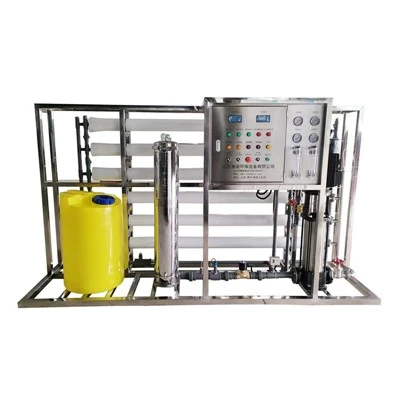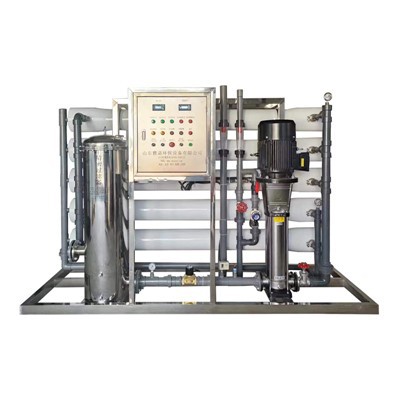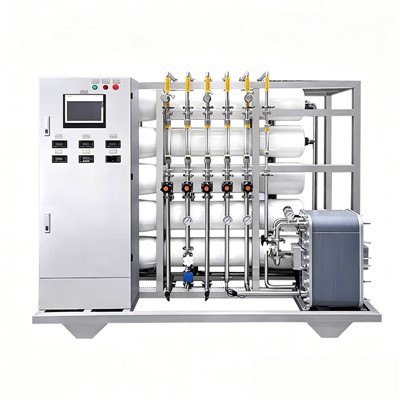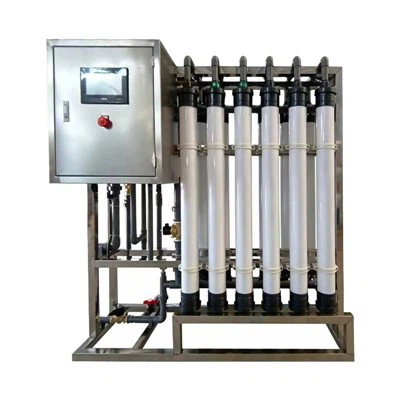


A Dissolved Air Flotation (DAF) system separates suspended solids, oil droplets, grease, and other floatable contaminants from industrial and municipal wastewater. It uses pressurized recycled water saturated with air to generate fine bubbles. These bubbles attach to suspended particles and oil droplets, reducing their apparent density and carrying them to the water surface for mechanical removal.
The system is commonly installed as a primary treatment unit before biological processes or as a clarification stage in industrial wastewater treatment plants. Typical applications include food processing, dairy production, petrochemical wastewater, and pulp and paper manufacturing.
The equipment consists of a flotation tank, air saturation vessel, recycle water pump, air supply assembly, pressure release devices, surface skimmer, and electrical control system. Chemical dosing equipment can be integrated when coagulation and flocculation are required to improve particle separation.
Key Features
Dissolved Air Release: Pressurized recycle water passes through pressure reduction devices, releasing fine air bubbles for attachment to suspended solids and oil droplets.
Integrated Flotation Tank: The contact and separation zones provide space for bubble attachment, flotation, and clarified water collection.
Mechanical Sludge Removal: Chain-and-flight or alternative scraper assemblies transfer floating sludge into a collection hopper.
Corrosion Protection: Carbon steel tanks can receive protective coating systems, while SS304 and SS316L are available for equipment components requiring stainless steel construction.
Automated Operation: PLC-based controls coordinate pumps, air supply, skimming cycles, and operating alarms.
Technical Specifications
|
Parameter |
Unit |
DAF-5 |
DAF-20 |
DAF-50 |
|
Treatment Capacity |
m³/h |
5–10 |
20–30 |
50–60 |
|
Operating Pressure |
MPa |
0.3–0.4 |
0.3–0.4 |
0.3–0.4 |
|
Total Connected Power |
kW |
3.5 |
7.5 |
15 |
|
Tank Material |
- |
Q235B / SS304 |
Q235B / SS304 |
Q235B / SS304 / SS316L |
|
Tank Structure |
- |
Horizontal / Rectangular |
Horizontal / Rectangular |
Horizontal / Rectangular |
|
Air Supply |
- |
Compressed Air |
Compressed Air |
Compressed Air |
|
Sludge Removal |
- |
Mechanical Skimmer |
Mechanical Skimmer |
Mechanical Skimmer |
|
Control System |
- |
PLC Control |
PLC Control |
PLC Control |
Customizable Options
|
Parameter |
Available Options |
|
Tank Material |
Carbon Steel, SS304, SS316L |
|
Surface Protection |
Epoxy Anti-Corrosion Coating |
|
Skimmer Assembly |
Chain-and-Flight Scraper |
|
Chemical Dosing |
PAC and PAM Dosing Systems |
|
Control Interface |
PLC and HMI |
|
Installation |
Skid-Mounted or Civil Foundation |
Working Principle
The DAF treatment process involves five main stages.
1. Coagulation and Flocculation
Wastewater enters a mixing tank where coagulants and flocculants can be added to aggregate fine suspended particles into larger flocs.
2. Air Dissolution
A portion of clarified water is recycled through a pressurization system. Compressed air dissolves into the recycled water inside the saturation vessel.
3. Bubble Release
Pressurized recycle water passes through release devices into the flotation contact zone. The pressure reduction releases dissolved air as fine bubbles.
4. Flotation and Separation
Bubbles attach to suspended particles and oil droplets, carrying them to the surface. A mechanical scraper moves accumulated float sludge into a collection hopper.
5. Effluent Discharge
Clarified water flows through the separation zone and exits through the effluent collection channel.
Applications
Food Processing
Treats slaughterhouse wastewater containing fats, blood residues, suspended solids, and organic matter before biological treatment.
Dairy Processing
Separates milk fats, suspended proteins, and other floatable contaminants from dairy production wastewater.
Petrochemical Industry
Removes free oil and dispersed hydrocarbons from refinery and petrochemical wastewater streams.
Pulp and Paper Mills
Recovers suspended fibers from white water and reduces solids loading in downstream treatment processes.
Municipal Wastewater
Provides primary clarification and floating grease removal before biological treatment systems such as SBR and MBR.
Key Selection Factors
DAF equipment selection requires an evaluation of wastewater characteristics and treatment objectives.
Hydraulic Capacity: Average and peak flow rates determine the required flotation tank dimensions and hydraulic loading.
Influent Quality: TSS, FOG, COD, pH, and temperature provide the basis for evaluating separation requirements.
Chemical Conditioning: Coagulant and flocculant selection depends on particle characteristics and wastewater composition. Jar testing helps establish suitable dosing conditions.
Recycle System: Recycle flow rate, saturation pressure, and air supply capacity affect dissolved air availability.
Construction Materials: Tank and component materials should match wastewater chemistry, chloride concentration, and operating temperature.
FAQ
Q: Can a DAF system remove emulsified oil?
A: DAF can separate some emulsified oil after appropriate chemical conditioning. Coagulation and flocculation may be required to destabilize oil droplets before flotation. Laboratory testing is recommended for complex wastewater.
Q: Does the system require chemical dosing?
A: Chemical dosing is not required for every application. PAC, ferric salts, and PAM may be used when fine particles or stable emulsions require additional conditioning.
Q: Can DAF equipment operate with an MBR system?
A: Yes. DAF can be installed upstream of an MBR system to remove floating oil and suspended solids before membrane treatment. The final process arrangement depends on influent quality and treatment objectives.
Request a Quote
For equipment selection and engineering evaluation, provide the following information:
- Average and Peak Flow Rate: Average and maximum wastewater flow rate (m³/h).
- Influent Water Quality: TSS, COD, FOG, pH, and temperature.
- Treatment Requirements: Required treated water quality and discharge standards.
- Wastewater Characteristics: Wastewater source and main contaminant characteristics.
- Installation Conditions: Available installation space and foundation conditions.
- Technical Requirements: Preferred tank material and electrical supply specifications.
Technical drawings, equipment dimensions, process arrangements, and chemical dosing recommendations can be prepared based on the project requirements.
Hot Tags: dissolved air flotation system, China dissolved air flotation system manufacturers, suppliers, factory