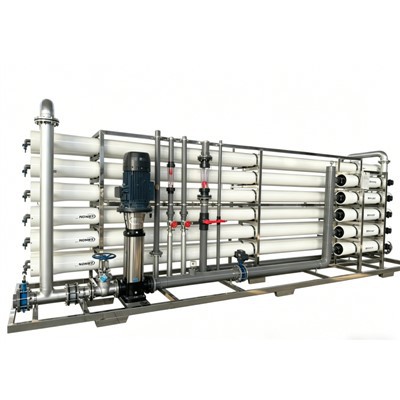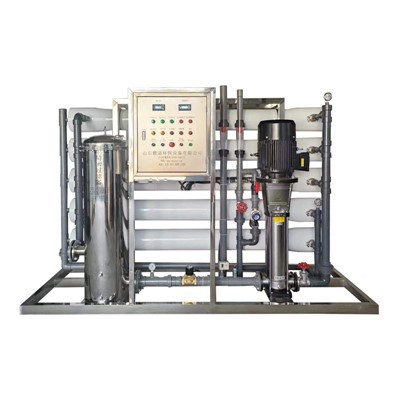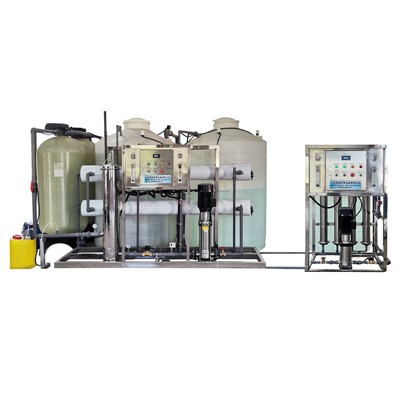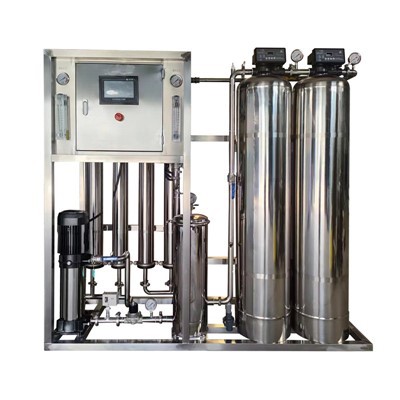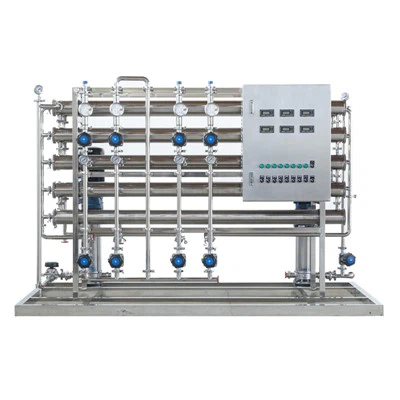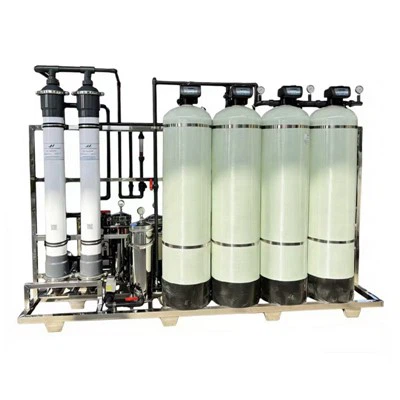

Reverse osmosis (RO) equipment is a technology that separates solutes from solvents in a solution through a physical process. It utilizes a semi-permeable membrane to separate solutes from the solvent, thereby purifying and concentrating water.
First, RO equipment plays a crucial role in water purification in industrial production. With increasing water scarcity and environmental pollution, water purification has become paramount. RO equipment effectively removes impurities, heavy metals, bacteria, viruses, and other harmful substances from water, providing clean and safe water sources. This is essential for many industrial processes, especially in sectors with high water quality requirements such as food processing, pharmaceuticals, and electronics.
Second, RO equipment can also be used for water concentration. In some industrial processes, it is necessary to concentrate solutes in water to a certain degree to better extract useful substances. RO equipment can achieve this concentration by controlling the permeability of the semi-permeable membrane. This is particularly important for some chemical, pharmaceutical, and energy industries, as it can improve production efficiency and conserve resources.
Furthermore, RO equipment can also be used for wastewater treatment. With the continuous increase in industrial production, wastewater treatment has become a serious problem. Traditional wastewater treatment methods are often ineffective and costly. Reverse osmosis equipment can purify and recycle wastewater by separating solutes and impurities from the water. This not only reduces wastewater treatment costs but also reduces environmental pollution, achieving sustainable development.
In short, reverse osmosis equipment plays a vital role in industrial production. It can purify water sources, providing clean and safe water; it can concentrate water, improving production efficiency and conserving resources; and it can be used for wastewater treatment, reducing costs and environmental pollution.