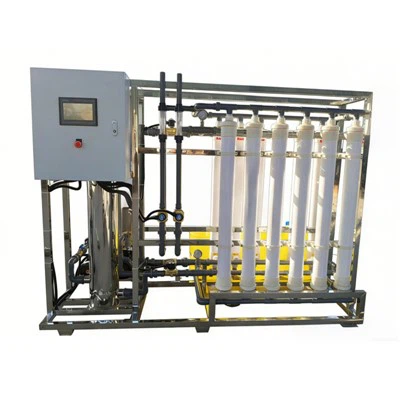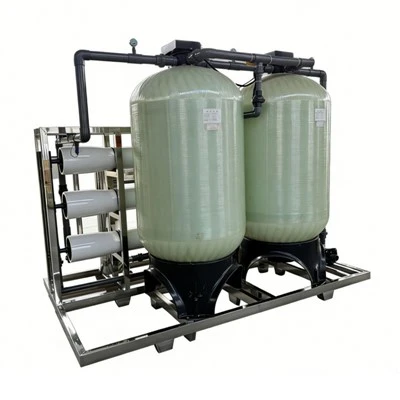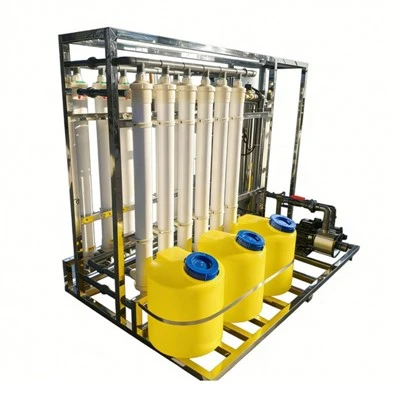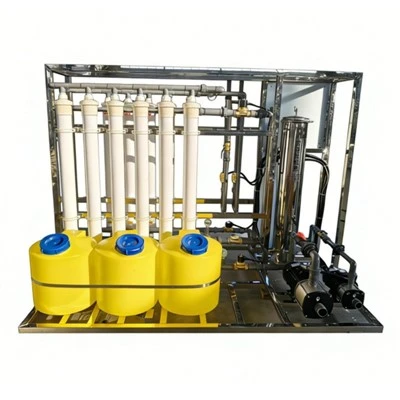

Wastewater treatment equipment must be stored in a dry, well-ventilated environment, avoiding high temperatures and corrosion, and protected from impacts and moisture. Regular inspections and cleaning are also essential. Proper storage effectively protects equipment performance, extends its service life, and ensures smooth installation and operation.
Storage Environment Requirements
- Dry and Ventilated: Equipment should be stored in a dry, well-ventilated warehouse to prevent rust on metal parts and moisture damage to electrical components. For short-term outdoor storage, measures must be taken to protect against rain, sun, and water accumulation.
- Keep Away from Corrosive Substances: The storage area must be free of corrosive chemicals such as acids, alkalis, and salts to prevent damage to the equipment's surface and internal structure.
- Prohibit the Stacking of Debris: No other items should be stacked around the equipment to avoid compression, collisions, or obstruction of ventilation.
Temperature and Light Control
- Avoid High Temperatures: Prolonged exposure to high temperatures may cause deformation of plastic parts, aging of sealing materials, and even burning. It is recommended to place the equipment in a cool, shaded area, away from heat sources and direct sunlight.
- Freeze Protection: In cold regions, if the equipment contains a water system, all internal water should be drained to prevent freezing and expansion that could cause pipe rupture.
Safety Precautions
- Avoid Collisions and Vibrations: Equipment should be placed stably and leveled; do not stack it. During transportation or handling, it must be securely fixed to prevent damage to critical components from severe vibrations or drops.